
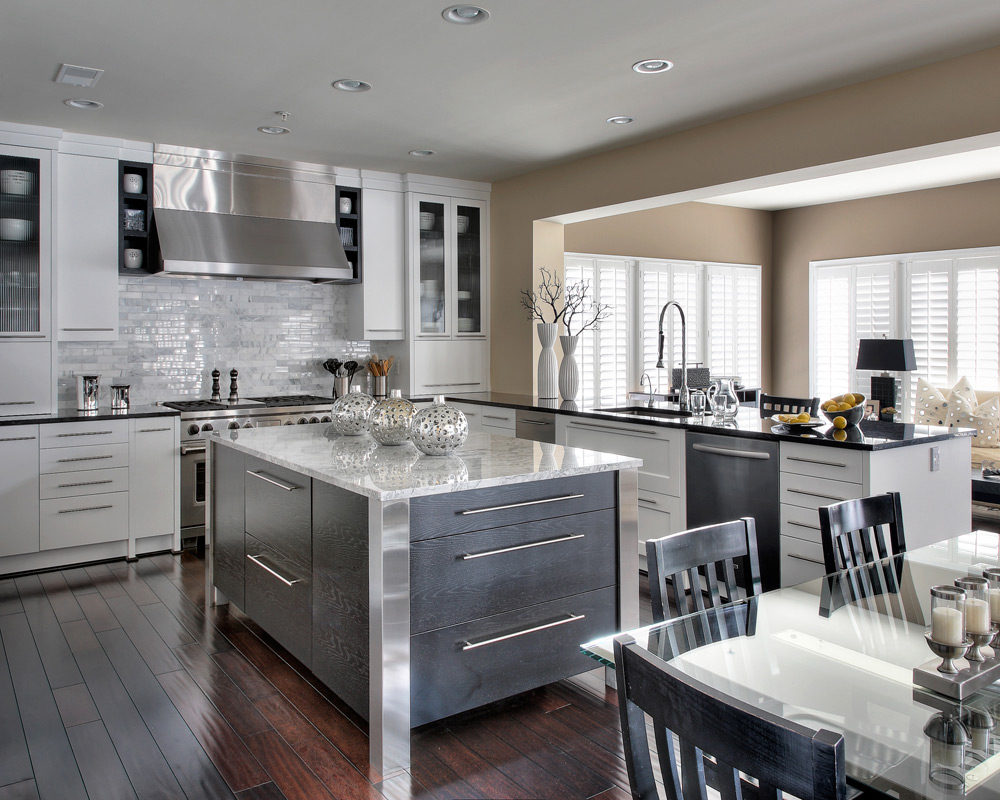
The kitchen and dining room have quietly become the most important spaces in the modern home. They are no longer isolated rooms with rigid purposes. Instead, they serve as gathering hubs, entertainment centers, homework stations, workspace extensions, and daily living zones.
When homeowners decide to modernize their kitchen and dining areas, they often begin with aesthetics — new cabinets, updated tile, better lighting. But true modernization goes much deeper than surface-level upgrades. A successful remodel rethinks layout logic, improves workflow efficiency, enhances lighting performance, increases storage functionality, upgrades material durability, and ultimately elevates how the entire home feels.
Modernizing your kitchen and dining room combination is not about chasing trends. It’s about designing a space that works better, lasts longer, and increases property value while supporting the way you live every day.
This guide explores everything homeowners should consider when planning a modern kitchen and dining remodel — from layout and materials to lighting and finish selection — so you can make informed, confident decisions.
A beautiful remodel built on a flawed layout will never feel right. Layout decisions influence traffic flow, comfort, storage capacity, appliance function, and even lighting performance.
Modern design begins with spatial clarity.
Open Plans vs. Dividers
Open-concept kitchens have dominated residential design for years. The appeal is clear: fewer walls create better sightlines, improved social connection, and a more expansive feel. In a kitchen and dining combination, removing walls allows cooking and entertaining to occur seamlessly within the same environment.
However, fully open concepts are not universally ideal.
In some homes, maintaining subtle dividers can actually enhance comfort. Partial walls, large cased openings, glass partitions, built-in shelving, or wide archways can preserve openness while reducing sound travel and visual clutter. These architectural transitions help define zones without sacrificing connectivity.
The decision between open and semi-divided layouts depends on lifestyle. If you host frequently and want guests interacting while meals are prepared, openness makes sense. If you prefer separation between cooking mess and dining atmosphere, strategic division may provide better balance.
Modern design is not about removing walls at all costs. It is about creating intentional openness.
Window Placement
Windows influence more than brightness. They affect mood, temperature, glare, and even furniture placement.
In modern kitchen and dining combinations, window positioning should prioritize task areas. Natural light above sinks or prep counters reduces eye strain and enhances functionality. In dining areas, windows should frame views and provide soft illumination without overwhelming diners during peak sunlight hours.
When new windows are added during remodeling, proper sizing and alignment are critical. Oversized windows can create dramatic impact but must be paired with energy-efficient glazing and thoughtful shading solutions. Smaller windows, strategically placed, can improve cross-ventilation and daylight layering.
If window relocation is not possible, lighting design and reflective materials become even more important.
Island or No Island
The kitchen island is often considered the centerpiece of modern design. When sized and positioned correctly, it becomes the social anchor of the room. It provides prep space, storage, seating, and a visual bridge between kitchen and dining zones.
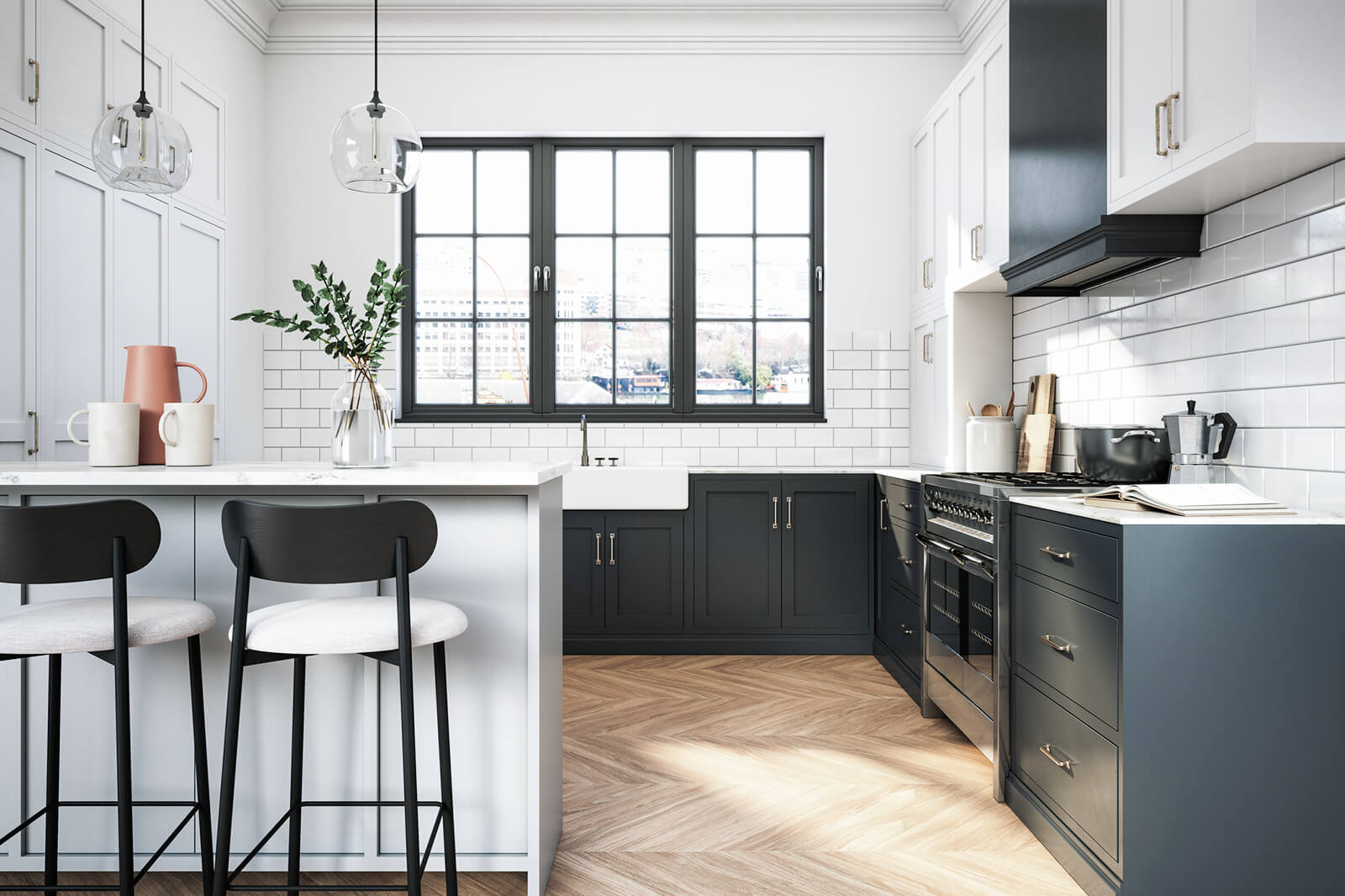
But islands require adequate clearance. Crowded aisles create frustration, especially when multiple people cook or move through the space. Professional layout planning ensures sufficient walking space around all sides.
In smaller homes, an island may not be practical. A peninsula layout can provide similar benefits while using less floor area. In galley kitchens, widening passageways and optimizing cabinetry may deliver better results than forcing an island into the design.
The best island is one that improves flow — not one that restricts it.
Appliance Placement
Appliance location impacts daily convenience more than most homeowners realize.
Modern kitchen layouts still respect the logic of functional workflow. Refrigerators should be easily accessible without blocking cooking zones. Dishwashers must sit close to sinks. Ovens require adequate landing space for hot dishes. Cooktops should not be isolated from prep areas.
Appliance placement must also consider ventilation routes, electrical requirements, and plumbing adjustments. In open layouts, noise levels from dishwashers and refrigerators become more noticeable, so appliance selection and positioning require careful thought.
Well-placed appliances disappear into the rhythm of the room.
Storage Strategy: The Hidden Foundation of Modern Design
A modern kitchen feels clean because clutter has a place to go. Storage planning separates functional remodels from cosmetic upgrades.
Cabinet Design
Modern cabinet configurations often include:
Deep drawer systems instead of lower cabinet doors
Full-height cabinetry that eliminates wasted space above cabinets
Integrated trash and recycling pull-outs
Appliance garages to hide countertop items
Floating shelves for controlled display
Floor-to-ceiling cabinets create a built-in aesthetic and increase usable space. Floating shelves, while stylish, require discipline and thoughtful styling to avoid visual clutter.
Balance is key.
Pantry Options
Pantry storage varies depending on space availability. Closed-door pantries maintain visual simplicity and reduce dust accumulation. Door styles — whether swing, pocket, or bifold — should be selected based on clearance needs and wall configuration.
Pull-out pantry systems work well in compact kitchens. Larger remodels may include walk-in or butler’s pantries, which significantly improve hosting efficiency.
An organized pantry supports a streamlined kitchen.
Dining Room Storage
Dining areas benefit from integrated storage solutions. Built-in buffets, floating credenzas, or bench seating with hidden compartments help keep serving ware and linens accessible without crowding kitchen cabinets.
Storage in the dining space reduces congestion in cooking zones and enhances overall functionality.
Material selection determines how your kitchen and dining remodel ages over time. Modern design prioritizes durability, maintenance simplicity, and visual harmony.
Tile: Floor and Wall Applications
Tile remains one of the most versatile materials in modern remodeling.
Large-format porcelain tile reduces grout lines and creates a sleek appearance. Wood-look porcelain offers warmth with superior moisture resistance compared to hardwood. Concrete-look tiles support industrial-modern themes.
Backsplashes provide both protection and personality. Full-height slab backsplashes create dramatic impact and eliminate grout maintenance. Textured or patterned tile adds dimension under lighting.
Material continuity between kitchen and dining flooring enhances cohesion.
Countertops
Countertops must withstand heat, spills, and daily wear.
Granite offers durability and heat resistance but requires periodic sealing. Quartz provides low maintenance and consistent appearance but should be protected from extreme heat. Quartzite blends natural beauty with strength but may come at a higher cost. Marble delivers timeless elegance but demands careful maintenance.
The best countertop is the one aligned with lifestyle — not just visual preference.
Flooring Without Carpet
Modern kitchens and dining rooms typically avoid carpet due to hygiene and maintenance concerns. Hard surfaces such as tile, engineered hardwood, or luxury vinyl plank allow easier cleaning and improved durability.
Area rugs can soften dining spaces while preserving practicality.
Appliances: Form and Function
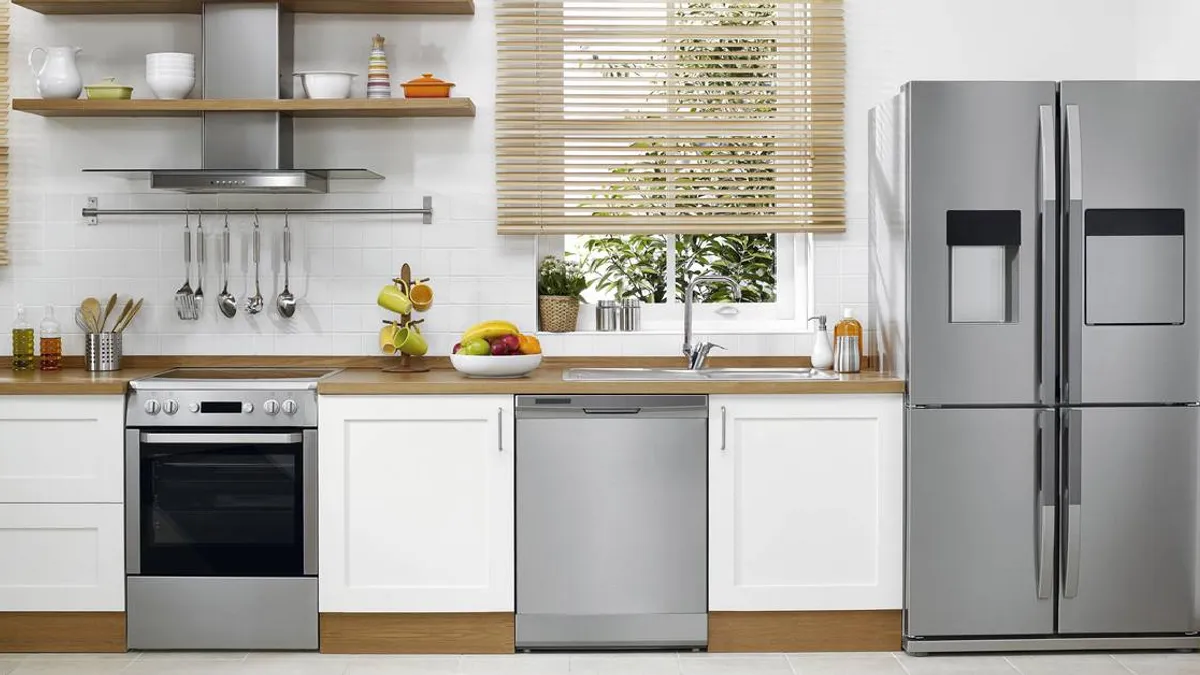
Appliance finishes influence overall design tone. Stainless steel remains a reliable standard. Matte black offers bold contrast. Panel-ready appliances create seamless cabinetry integration.
Efficiency and serviceability should guide selection as much as appearance. In primary residences, durability and energy efficiency matter most. In vacation homes, ease of replacement and user simplicity may take priority.
Smart features add convenience but should never complicate everyday use.
Sinks and Faucets
Stainless steel sinks are durable and widely compatible. Fireclay and cast iron provide classic appeal. Granite composite sinks offer durability and modern color options.
Faucet selection should complement cabinet hardware and lighting finishes. Pull-down sprayers are practical. Touchless options improve hygiene. Plumbing upgrades during remodeling — including shutoff access and filtration systems — improve long-term convenience.
Furniture Selection
Island seating must allow comfortable legroom and easy cleaning. Dining tables should provide proper clearance and match overall material tone. Chairs must balance comfort with durability.
Modern dining storage cabinets or credenzas anchor the room visually while adding functionality.
Furniture should feel intentional — not improvised.
Lighting defines atmosphere more than any other element.
Natural Light Strategy
When possible, increasing daylight access enhances openness and reduces energy reliance. If structural changes are limited, artificial lighting layers must compensate thoughtfully.
Dining Lighting
Dining fixtures should be centered over tables and dimmable. Linear pendants suit rectangular tables. Minimal chandeliers create elegance without overpowering the space.
Lighting should flatter both the room and the people inside it.
Kitchen Lighting
Modern kitchens require layered lighting:
Ambient lighting for general coverage
Task lighting for prep zones
Accent lighting for depth and ambiance
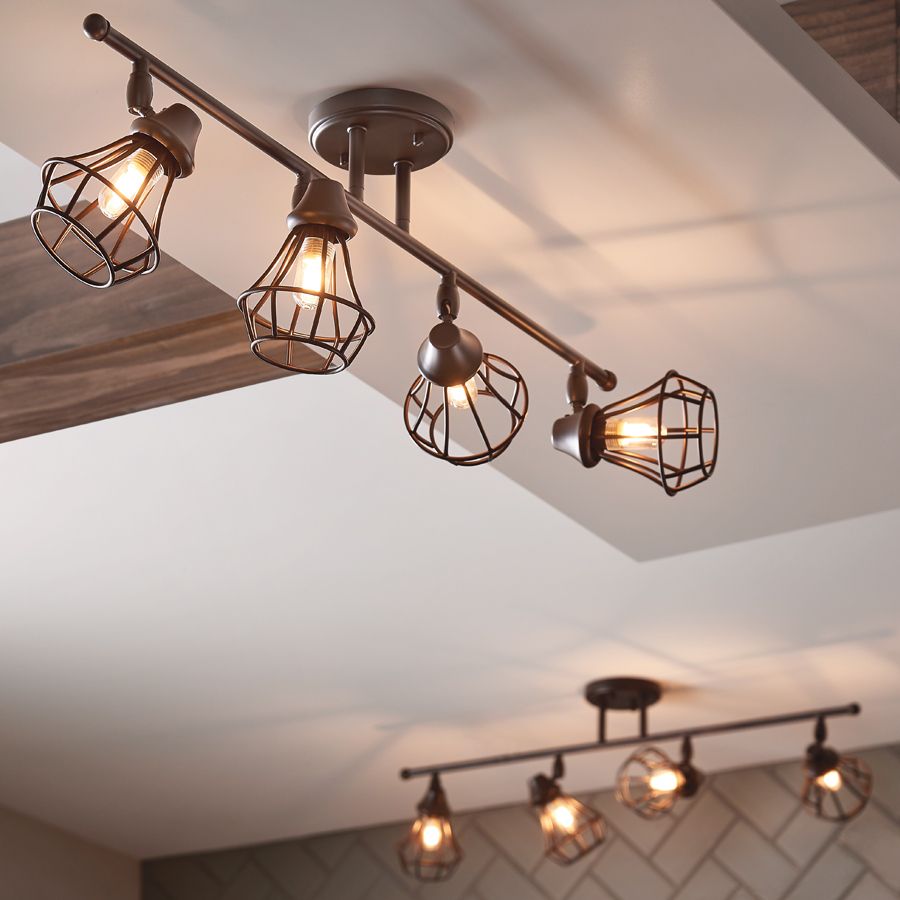
Pendant lights above islands should not block sightlines. Under-cabinet lighting eliminates counter shadows. Sink and stove zones deserve focused illumination.
Cabinet and Island Underglow
Underglow lighting elevates modern kitchens by adding warmth and dimension. Toe-kick lighting enhances nighttime navigation. Island underlighting creates subtle luxury appeal.
These details transform good remodels into exceptional ones.
Candles and Decorative Lighting
Candles remain viable accents but should not clutter surfaces. Modern styling uses minimal, intentional decor.
Color harmony is essential in open kitchen-dining combinations. Warm neutrals, high-contrast palettes, moody tones, or minimalist schemes can all succeed when finishes are coordinated.
Cabinet color, countertop tone, hardware finish, appliance color, and flooring undertone must align.
Modern design thrives on cohesion.
Open layouts amplify sound and cooking odors. Properly sized vent hoods, soft-close cabinetry, and sound-absorbing materials reduce echo and noise.
Comfort should extend beyond appearance.
Modernizing a kitchen and dining room combination is not a cosmetic exercise. It is a comprehensive redesign of how space functions, flows, and feels. When layout logic, material durability, lighting layers, and storage planning align, the result is transformative.
Homeowners who approach remodeling with clarity and professional guidance achieve spaces that remain beautiful and functional for decades.
Why DD’s Restoration & Remodeling
At DD’s Restoration & Remodeling, modernization means more than surface upgrades. It means thoughtful planning, structural precision, durable materials, and craftsmanship that holds up long after installation.
We evaluate layout logic before demolition begins. We coordinate electrical, plumbing, and ventilation upgrades. We ensure every cabinet line, tile seam, and lighting placement serves both aesthetic and functional goals.
The result is not just a modern kitchen and dining room.
It is a space designed intelligently — built to last — and crafted to stand above the competition.
If you’re ready to modernize your kitchen and dining space the right way, DD’s Restoration & Remodeling is ready to bring that vision to life.
See finished project photos on our Our Work gallery, or request a free estimate when you are ready to remodel.